Respecting Wildlife’s Wild Life
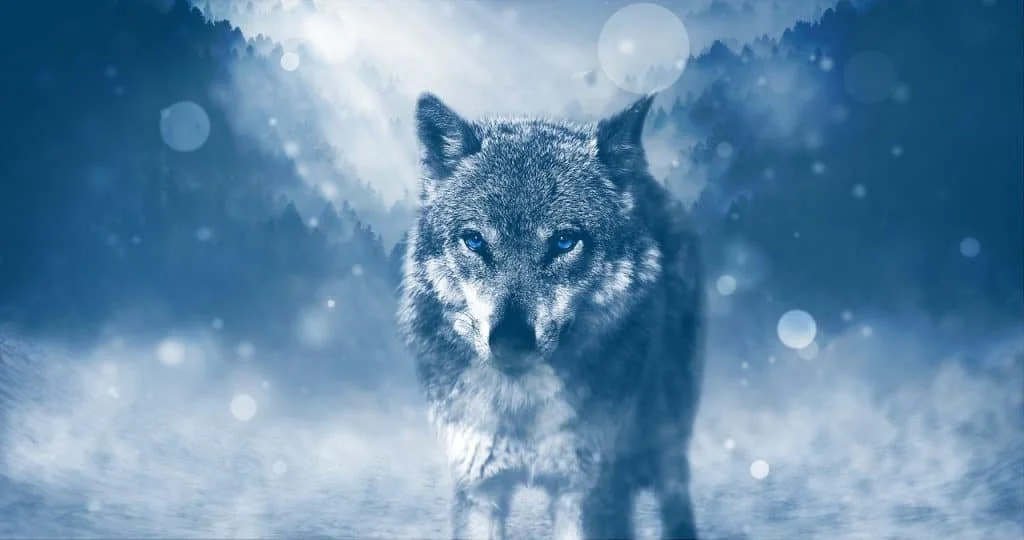
According to the World Wildlife Fund’s Living Planet Report, between 1970 and 2016 the global wildlife population shrank 68%.
This is wildlife though. Not domesticated animals. Because people choosing to take in domesticated animals as companions has jumped drastically in the past decade.
Is this a result of humans’ desire for control? It seems to me that human beings have an innate desire to not only conquer the world around them but hold it captive to their whim.
Shall we consider zoos for a moment. What kind of cruel, disconnected-from-nature idea is that?
When I was young and seeding my inner anarchist, I made stickers that read: “Their lives are not for our leisure” and stuck them all around my local zoo.
I still believe this.
Why is it so hard for humans to respect wildlife and let it live in existence, in harmony, in the wild?
We all have it in us. Even as I sit here advocating for wildlife’s wild life whenever I see a wild animal I find adorable my first thought is, ‘I want it!’
With the alarming knowledge that we are rapidly losing such incredible subjects here on Earth, it is my intense feeling that we need to finally start choosing, making conscious decisions every day, to move forward in our world with nature… not despite it.
And also humbling ourselves to the lessons wild animals teach us, to their unique beauty and necessary role in our fragile ecosystems. Consider for a moment when they reintroduced the wolves to Yosemite, and within a very short time the struggling ecosystem recovered to a thriving one.
We must stop thinking we are the only story. That we are somehow above or better than or separate from animals. We have all heard the phrase: “What separates us from other animals is our opposable thumb”… um, possums have opposable thumbs.
We need to admit that we are not the most amazing aspect of evolution to ever have walked the earth. Humans can be so narcissistic.
The fact is, intelligent life populated Earth long before we got on the scene.
Richard Louv says it beautifully in his book Our Wild Calling when he says, “Now we know that humans and whales share specialized neurons associated with higher cognitive functions, including self-awareness and compassion, and that these neurons may have developed in parallel. These neurons bloomed in whales thirty million years before our own. Long before Genghis Khan or Rene Descartes walked the earth, dolphins were conversing and communing.”
There is so much we could learn from animals if we simply got over ourselves and listened.
Whenever people are shocked at a trick an animal does, exclaiming, “He is so smart!” I honestly get a little irked as the person had given very little credit to that animal.
When it came out that dolphins recognized themselves in the mirror everyone was shocked by this transformative piece of information… but I felt like it was an obvious point they were making. Of course they do, I thought. I would have been surprised had they not.
The more we get to this level of understanding that while animals may not walk through the world as we do but that they are intelligent in the ways of the wild and incredible evolutionary marvels, the greater chance we have at creating a world that is conducive to their needs as well as ours.
By leaning into things like biophilic design (design that incorporates nature creating a structure to serve both human and animal) and learning to appreciating their freedom, that wild beauty, we may be able to find a way to let wildlife be wild without feeling the need to possess it or impose upon it… and even better, if we can get to the point where we would honestly be a little sad if we did, then we can start to create a world that allows us to be touched by the mystery of wild animals, while allowing them to pass through our neighborhoods at twilight in peace.
With wild grace,
Annika