From Yeast to Peace: Our Story of Relief
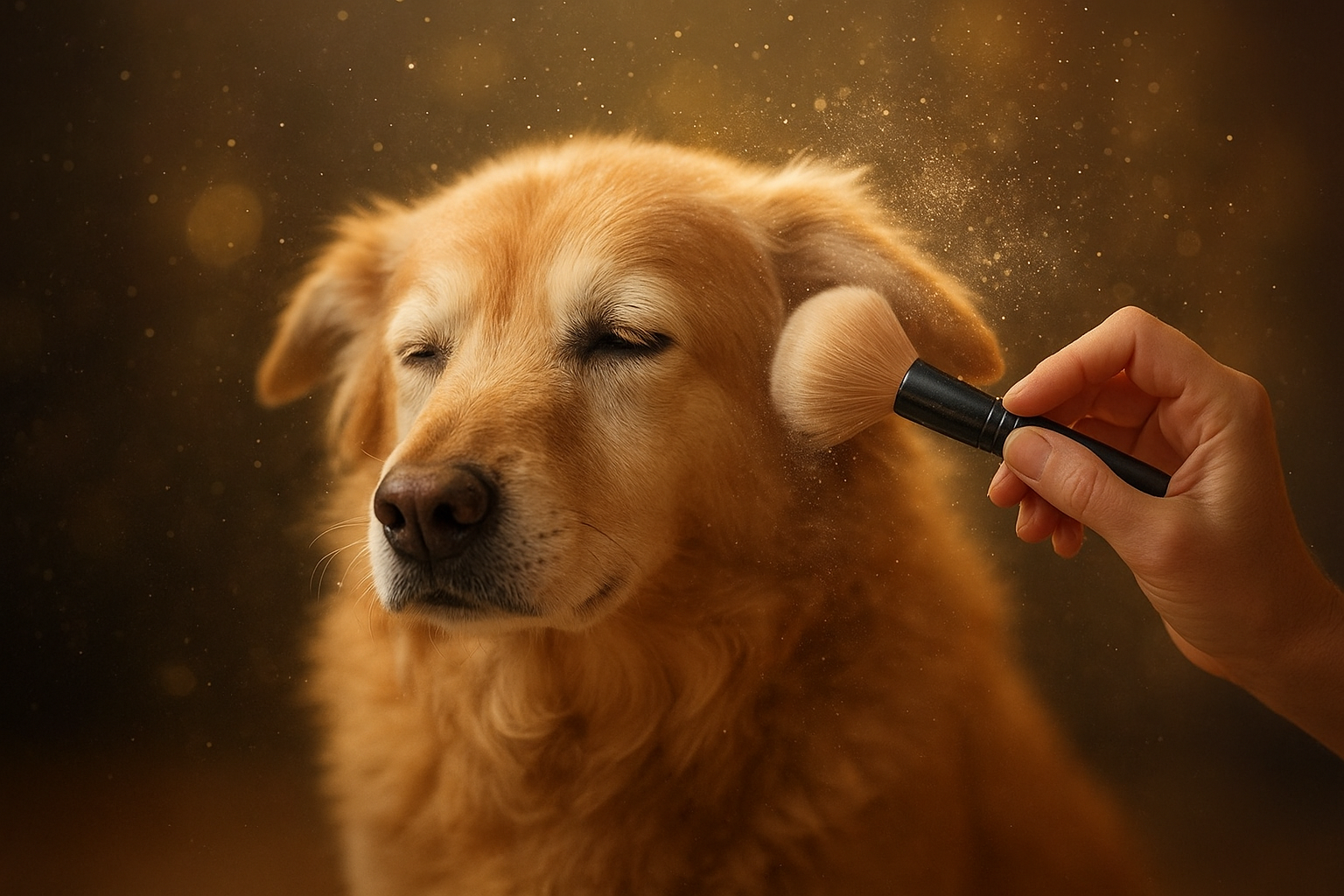
If you’ve ever dealt with that funky smell or those red, itchy spots on your dog’s skin or ears… the constant licking of the paws, the uncomfortable pacing and shaking of the head… you know what I’m talking about. It’s miserable, for both of you. My old boy and I have been fighting this battle for years. But recently, I finally found something that felt like a miracle -- a total game-changer. It’s called Coat Defense Canine & Cat Daily Preventative Powder. The fix. The life-saver. The “why didn’t I find this sooner?” kind of thing. (and horse people… they make this for horses too! And humans for that matter!)
But I’ll get to that in a bit.
Because first, let’s talk about yeast -- what it actually is, why it takes over, and how I got here in the first place.
So… yeast. It’s a type of fungus that naturally lives on your dog’s skin, just like it does on ours. In small amounts, it’s harmless, even helpful, it keeps the bad bacteria in check. The problem starts when something in the body changes, like allergies, moisture, diet, or immune function and suddenly that harmless little fungus throws a rave on your dog’s skin. The result? Itching, irritation, and inflammation.
A little yeast is good. A yeast party is not.
And older dogs? They’re the most likely to end up hosting one.
My 15-year-old dog has been struggling with yeast lately -- on his chest, paws, and especially his ears. When dogs get older, their bodies don’t regulate things like they used to. Their immune systems slow down, their skin gets more sensitive, healing takes longer, and their hormones shift. All of that creates the perfect storm for yeast to thrive.
Add to that the fact that senior dogs don’t love being poked or having stuff squirted into their ears, and you’ve got a real problem.
Now here’s where it gets tricky. My dog hates water in his ears, on his ears, near his ears.. etc. Always has. And I think it goes all the way back to when he was a puppy.
We were out hiking one day, and I crossed a shallow creek on a log. He followed me (so brave) but slipped and fell in. Poor guy had never swum before, and the current swept him about twenty or thirty feet downstream before he scrambled out on his own. I was running after him like a lunatic, but he was fine… just completely traumatized. He came out of that water with his tail tucked, eyes wide, like, “What was THAT?!”
That was fifteen years ago, and he still remembers. Dogs don’t forget feelings like that. So now, to this day, water near his head means panic. When I bathe him, he literally wears a shower cap. No joke.
So yeah… ear drops? Not happening.
And this is where I have to talk about something that really gets under my skin: how quick some vets and “big pharma” are to throw pills at you the moment your dog starts itching. The go-to medications (Apoquel and Cytopoint) can bring fast relief, sure. But here’s the issue: they stop the itch by shutting down part of your dog’s immune response, without ever finding out why your dog is itchy.
It stops the itch, but it can also dial down parts of the body’s natural defense system.
Especially in older dogs or those already fighting something like yeast or bacterial overgrowth, this can make it harder for their immune system to rebalance and fight the underlying issue. Essentially, it turns off the body’s “reaction” without addressing what’s triggering it. That can allow yeast or bacteria to quietly keep growing.
It’s like turning off the smoke alarm without checking if there’s an actual fire.
If yeast or bacteria are causing the problem, all you’re doing is masking symptoms while the real issue gets worse underneath.
That’s why, before you start any pills or shots, it’s so important to ask your vet for a skin cytology test. It’s quick and simple. They take a swab or tape sample from the irritated area, stain it, and look under a microscope. That’s how they can tell what’s really going on.
Yeast looks like little purple “footprints.”
Bacteria look like tiny dots or rods.
And a mix of both (which is common) means a mixed infection.
There’s always a bit of both—it’s part of normal skin health—but this test shows which one’s taking over. And that matters, because yeast and bacteria need completely different treatments.
Okay, now back to my miracle find.
After years of struggling with this, and trying everything from ear drops to vet meds to homemade remedies, I stumbled across Coat Defense Canine & Cat Daily Preventative Powder.
And it’s genius.
Instead of messy, wet ear drops (aka my dog’s worst nightmare), I take a soft makeup brush, dip it in the powder, and gently dust it around and inside the ear flaps. It absorbs moisture, soothes the skin, and keeps yeast from growing… all without the wet feeling.
And for the first time in years, he didn’t flinch. He enjoyed it. He even leaned into the brush like it felt good. I honestly teared up. After years of fighting ear drops and battling that helpless feeling, this tiny change felt like freedom for both of us.
What’s even cooler… is that it eliminates yeast and bacteria overgrowth! So you do have to battle yeast with one product and bacteria with another and keep getting things out of whack.
So yeah, yeast isn’t “bad.” It’s just out of balance.
Older dogs are more prone to that imbalance, and sometimes trauma or sensitivity makes treating it extra hard. But there’s always a way to make it gentler, kinder, and easier for them and for you.
If your dog struggles with yeast or hates ear drops like mine, maybe this is your “finally found it” moment too.
Because sometimes the best medicine isn’t a pill or a drop, it’s understanding, patience, and a soft brush full of powder. 🐾